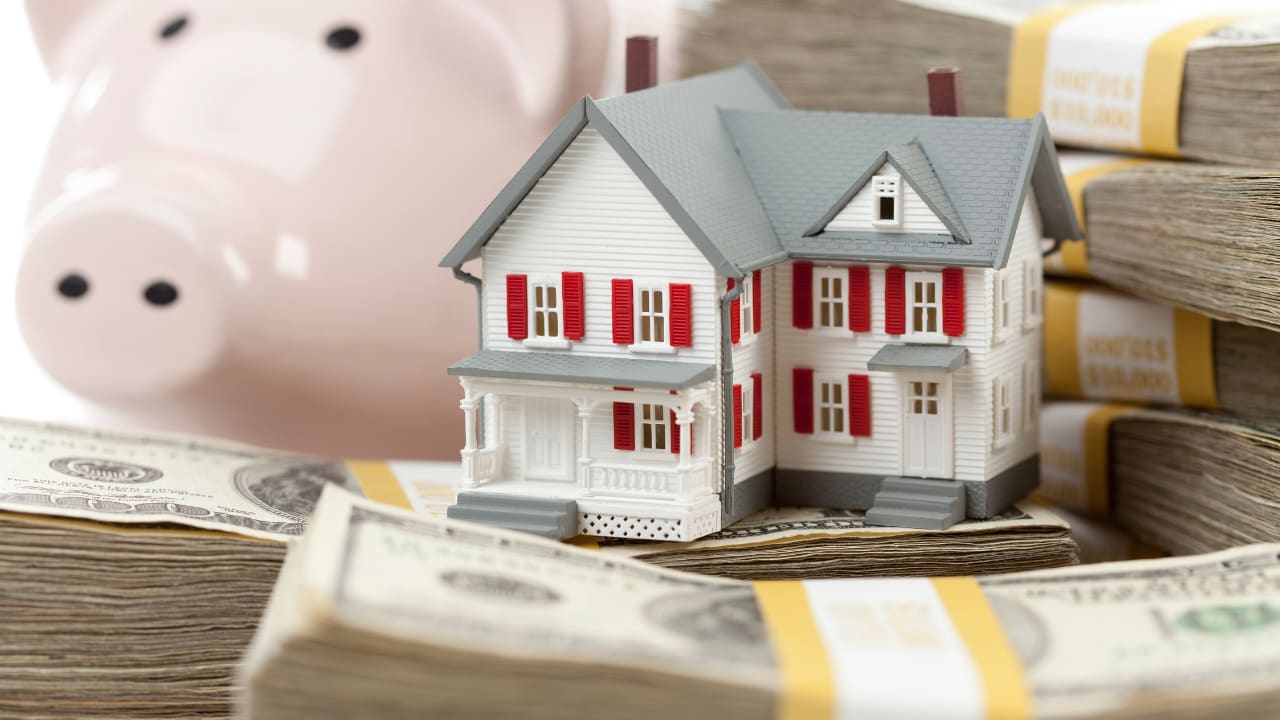


Rising Home Equity Gaps Between Owners and Renters
What growing equity disparities mean for homeowners and sellers in the DMV region.
Overview
Many homeowners and potential sellers in Washington DC, Maryland, and Northern Virginia are asking:
“Why does owning a home feel so different financially compared to renting?”
Over time, homeowners in the DC region have generally built equity through appreciation and loan repayment, while renters have faced rising housing costs without ownership benefits. This widening gap between owners and renters is shaping buyer behavior, market demand, and long-term housing decisions.
This blog explains what the home equity gap means, why it matters locally, and how it impacts homeowners considering selling.
Why This Matters Right Now
1. Equity Has Become a Major Source of Financial Flexibility
Home equity often supports downsizing, move-up purchases, or estate planning decisions.
2. Rent Growth Has Outpaced Wage Growth in Many Areas
Rising rents have made it harder for renters to transition into ownership — especially in high-cost markets like Washington DC.
3. Limited Inventory Reinforces the Divide
Fewer homes for sale limit ownership opportunities, which further widens the equity gap.
4. Equity Influences Market Behavior
Homeowners with equity have more options, while renters face increasing barriers to entry.
Understanding the Home Equity Gap
1. What Is Home Equity?
Home equity is the difference between a property’s market value and the remaining mortgage balance.
Over time, equity typically grows through:
-
Home price appreciation
-
Mortgage principal reduction
2. Why Renters Don’t Build Equity
Rent payments provide housing — but no ownership stake or long-term asset.
3. How Time Amplifies the Difference
The longer someone owns, the larger the equity gap can become compared to renting.
4. Market Stability Matters
Stable markets like the DC region often support consistent equity growth over long periods.
How the Equity Gap Affects Home Sellers
1. Move-Up Buyers Rely on Equity
Many buyers purchasing their next home are using equity from their current property.
2. Downsizing Is Often Equity-Driven
Homeowners leverage accumulated equity to simplify living and reduce expenses.
3. Equity Supports Life Transitions
Events such as retirement, estate planning, or relocation often involve accessing home equity.
4. Sellers Benefit From Strong Demand
Limited inventory and equity-rich buyers create competitive conditions in many neighborhoods.
Local Insight: Washington DC & Maryland
In communities like Silver Spring, Takoma Park, Brookland, Capitol Hill, Bethesda, and Rockville, longtime homeowners have built significant equity over the years.
At the same time, renters face rising monthly costs, making ownership more challenging. This dynamic contributes to strong buyer demand for well-priced homes and reinforces the value of ownership in the DMV region.
What Homeowners Should Consider
1. Understand Your Current Equity Position
Knowing your approximate equity helps guide timing and next steps.
2. Think Strategically About Selling
Market conditions, interest rates, and inventory levels influence outcomes.
3. Consider Long-Term Goals
Equity decisions should align with lifestyle, family, and financial planning goals.
4. Work With a Local Expert
Local knowledge helps interpret equity trends accurately and responsibly.
Bottom Line
The growing equity gap between homeowners and renters highlights the long-term value of homeownership — especially in stable markets like Washington DC and Maryland. For current homeowners, equity creates options, flexibility, and opportunity when it’s time to sell.
Contact Dan
If you own a home in Washington DC or Maryland and want to understand your equity position — or explore your options for selling, downsizing, or moving up — I’m here to help.
Reach out anytime — Dan Wheeler, Realtor® | Trusted DMV Real Estate Advisor.