
Do Tariffs Make Home Renovations More Expensive in the DC Region?
How Global Trade Impacts Local Renovation Costs in DC, Maryland, and Virginia
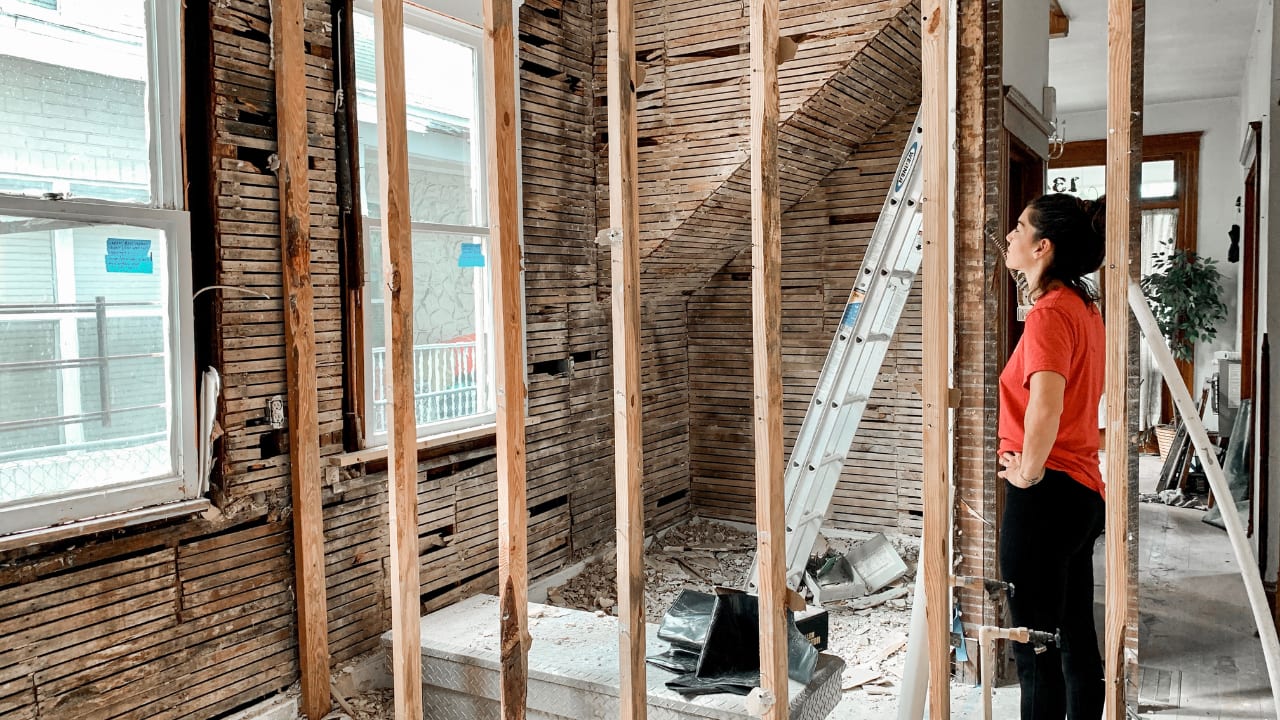
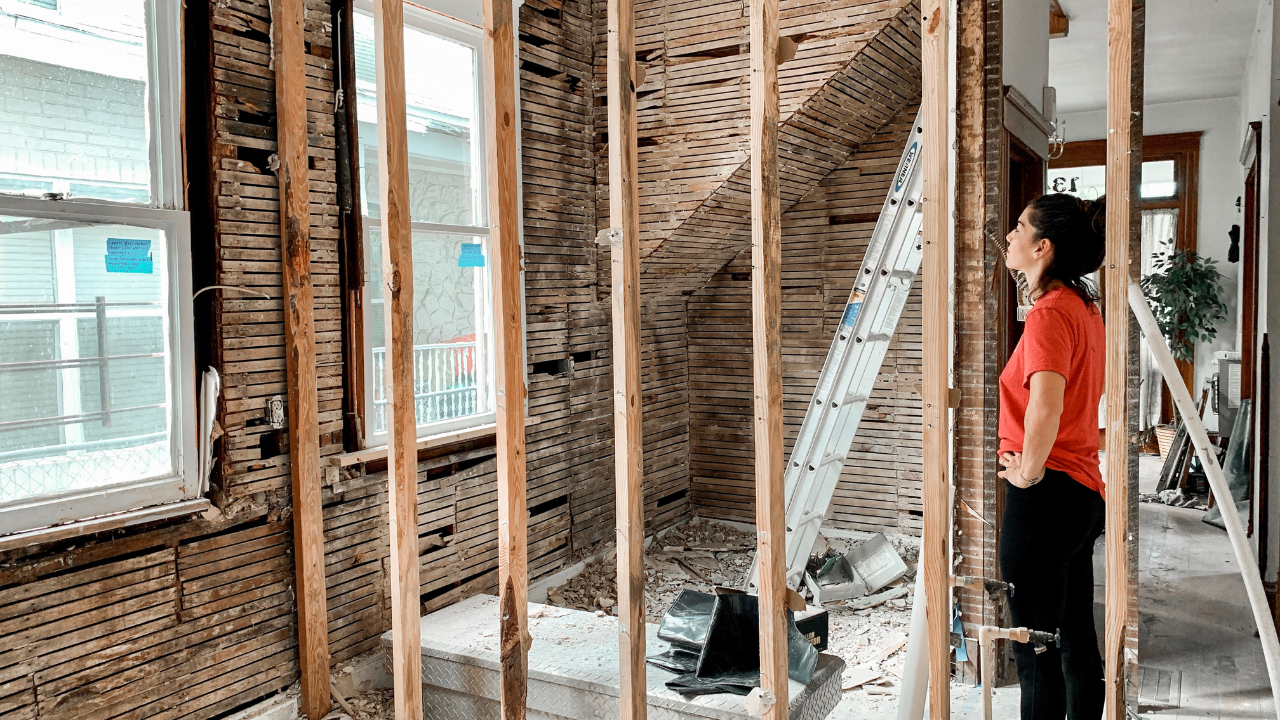
If you’ve been planning a kitchen remodel, basement upgrade, or home addition in the Washington DC region, you may have noticed something: renovation costs aren’t what they used to be.
Materials, labor, and even basic supplies are more expensive — and one reason for that could be tariffs.
So, do tariffs actually make home renovations more expensive in the DC, Maryland, and Northern Virginia area?
Let’s break it down simply and clearly.
What Exactly Are Tariffs?
A tariff is a tax placed on imported goods from other countries.
The U.S. government uses tariffs to protect domestic industries and encourage local production. But when tariffs are applied to products used in construction — like steel, aluminum, lumber, tile, or appliances — the cost to import those materials goes up.
Those higher costs usually trickle down to builders, contractors, and ultimately, homeowners.
How Tariffs Increase the Cost of Home Renovations
Tariffs can affect nearly every stage of a home renovation project. Here’s how:
1. Higher Material Costs
Many of the products used in remodeling — such as roofing, drywall, lighting fixtures, and cabinetry — are imported or rely on imported components.
When tariffs raise the cost of those imports, suppliers and manufacturers charge more, leading to:
-
Increased prices for construction materials.
-
Fewer discounts for bulk orders.
-
Higher delivery and freight costs.
For example, a tariff on steel or aluminum can impact everything from kitchen appliances to HVAC systems to garage doors.
Even a small increase per product adds up quickly in large renovation projects.
2. Increased Labor Costs
When materials get more expensive, builders and contractors face tighter margins.
Many adjust their prices upward to cover overhead, leading to:
-
Higher labor quotes.
-
Longer project timelines (as contractors prioritize high-paying jobs).
-
Greater competition for skilled workers, which drives rates up further.
In the DC metro area, where construction demand is already high, these effects are amplified.
3. Fewer Material Options
Tariffs can limit the availability of certain imported materials.
That means fewer choices for homeowners, especially for specialty products like:
-
Imported tiles or countertops.
-
Custom windows or fixtures.
-
High-end finishes and appliances.
When supply shrinks, buyers often have to settle for what’s available locally — sometimes at a higher price.
4. Higher Project Estimates and Delays
Even if your contractor sources domestic products, they’re still affected by global pricing trends.
For example, if imported lumber becomes expensive, domestic lumber prices often rise in response because of higher demand.
This can lead to:
-
Higher project bids from contractors.
-
Extended wait times for materials.
-
Uncertain budgets that change mid-project.
If you’ve been surprised by a renovation estimate that was higher than expected, tariffs and global trade policy might be part of the reason.
Why the DC Region Is Feeling It More
The Washington DC housing market is unique — it’s dense, older, and full of homes that need updates.
That means renovation demand is consistently strong, especially in neighborhoods like Silver Spring, Bethesda, Arlington, and Alexandria.
Combine that with high demand and global trade pressure, and you have a recipe for renovation inflation.
Local contractors also face:
-
High labor costs due to skilled worker shortages.
-
Longer permitting times.
-
Tight construction schedules in high-demand zip codes.
Add tariffs into the mix, and renovation budgets can rise quickly.
Are There Any Upsides?
Believe it or not, there are a few silver linings to tariffs when it comes to home renovations.
1. Boost for U.S.-Made Products
Tariffs encourage more homeowners to buy American-made materials, supporting local manufacturers and reducing reliance on foreign supply chains.
Over time, that can help stabilize domestic pricing and increase product availability.
2. Incentive to Renovate Strategically
Rising costs push homeowners to focus on smart, high-return improvements — like updating kitchens, bathrooms, and energy systems — rather than overspending on cosmetic projects.
3. Sellers Can Benefit
If renovations cost more across the board, homes that are already updated become more valuable.
Buyers who don’t want to take on expensive projects may pay a premium for move-in-ready homes.
How Homeowners Can Manage Tariff-Related Costs
You can’t control global trade policy — but you can control how you approach your renovation.
Here are a few smart strategies:
✅ Plan Early and Lock in Quotes
Material prices can fluctuate quickly. If you’re planning a renovation, lock in estimates and contracts early before prices change.
✅ Choose Local Suppliers When Possible
Work with vendors and contractors who source materials domestically. Local suppliers may be less affected by tariffs.
✅ Renovate in Phases
If your renovation is extensive, break it into smaller stages. That gives you flexibility to adjust your budget over time.
✅ Focus on High-ROI Projects
Not all upgrades are equal. Focus on improvements that directly increase your home’s value — kitchens, bathrooms, flooring, and energy efficiency.
✅ Work With a Realtor Who Understands Market Timing
If your renovation plans are tied to selling your home, a local Realtor can help you time your upgrades and sale around market conditions.
What This Means for DC Homeowners and Sellers
For homeowners in the Washington DC metro area, tariffs have made it more expensive — but not impossible — to renovate wisely.
While the cost of materials and labor may rise, so does your property’s potential resale value when done right.
If you’re thinking about selling after renovating, remember: buyers in the DC region still value well-maintained, move-in-ready homes, especially when new construction is expensive.
That means even if you spend a bit more upfront, the long-term payoff could still be strong.
The Bottom Line
So — do tariffs make home renovations more expensive in the DC region?
Yes, they often do. Tariffs can increase the cost of imported materials, limit options, and lead to higher contractor bids.
But with smart planning, local sourcing, and the right strategy, you can still renovate affordably and profitably in today’s market.
I’m Dan Wheeler, a Washington DC Realtor helping homeowners and sellers make informed real estate decisions — from smart renovation investments to maximizing returns at sale time.
If you’re planning to renovate or sell in DC, Maryland, or Virginia, let’s discuss how to get the most out of your home improvements, even in a changing market.