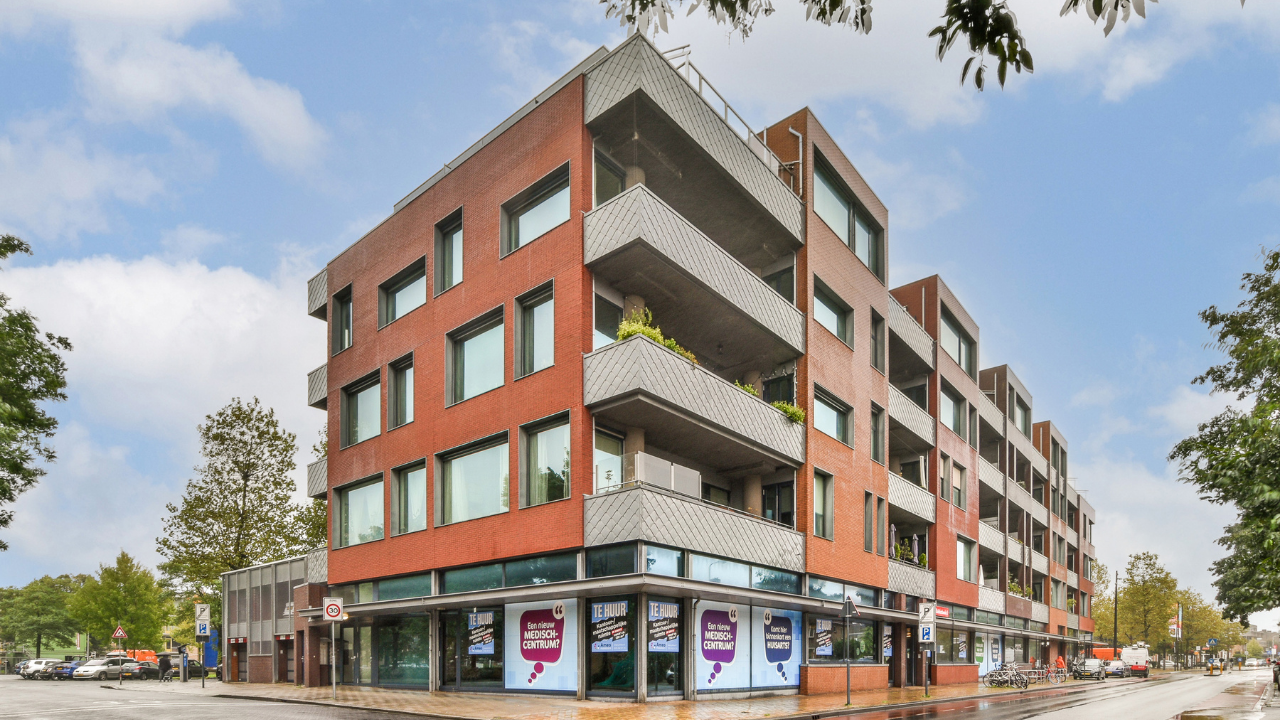
Commercial Space Conversions to Residential Units
How office-to-residential and mixed-use conversions are impacting the DMV housing market.
Overview
Many homeowners and sellers in Washington DC and Maryland have been hearing more about vacant offices and underused commercial buildings being converted into housing — and asking:
“Do commercial-to-residential conversions actually affect my home’s value or buyer demand?”
Across the DMV region, changing work patterns and evolving zoning policies have sparked renewed interest in converting commercial spaces into residential units. While these projects aren’t right for every building, they are reshaping supply, neighborhood dynamics, and buyer expectations in key areas.
This blog explains what commercial-to-residential conversions are, why they’re happening, and what they mean for residential home sellers in Washington DC, Maryland, and Northern Virginia.
Why This Matters Right Now
1. Remote and Hybrid Work Reduced Office Demand
Vacant and underutilized office buildings are creating opportunities for adaptive reuse.
2. Housing Supply Remains Constrained
Local governments are exploring conversions to increase residential inventory without expanding sprawl.
3. Zoning and Policy Are Evolving
Washington DC and parts of Maryland are updating rules to encourage certain conversions.
4. Buyers Are Open to New Housing Formats
Lofts, mixed-use living, and converted spaces appeal to specific buyer segments.
What Are Commercial-to-Residential Conversions?
1. Definition and Scope
These projects involve repurposing buildings originally designed for offices, retail, or other commercial uses into residential housing.
2. Common Types of Conversions
-
Office buildings converted to apartments or condos
-
Mixed-use buildings with residential units above retail
-
Former schools, warehouses, or institutional buildings repurposed as housing
3. Not Every Building Qualifies
Floor plates, window access, infrastructure, and zoning determine feasibility.
4. Location Matters
Conversions are most common in transit-accessible and urbanized areas.
How Conversions Impact Residential Sellers
1. Potential Increase in Local Inventory
New residential units can increase supply — but often gradually and in specific segments.
2. Neighborhood Revitalization Effects
Conversions can bring new residents, services, and investment to an area.
3. Limited Direct Competition
Converted units often differ in layout, pricing, and buyer profile compared to traditional homes.
4. Market Segmentation
Condos and rental units from conversions usually compete with similar housing types, not single-family homes.
What Sellers Should Understand
1. Conversions Are Not Instant Market Shifts
These projects take time and are influenced by approvals, financing, and construction timelines.
2. Buyer Preferences Still Matter Most
Buyers looking for yards, privacy, and traditional layouts aren’t typically choosing converted units.
3. Quality and Location Drive Demand
Well-executed conversions can add value to neighborhoods — poorly executed ones do not.
4. Pricing Strategy Remains Local
Your home’s value is driven by comparable sales and buyer demand — not headlines.
Local Insight: Washington DC & Maryland
In DC areas like Downtown, NoMa, Navy Yard, and parts of Silver Spring and Bethesda, commercial-to-residential conversions are more common due to existing building stock and transit access.
For sellers in nearby residential neighborhoods, these conversions often bring increased foot traffic, amenities, and buyer interest — without directly competing with traditional homes.
Understanding local context is key when interpreting how these projects affect your market.
Bottom Line
Commercial space conversions are one tool communities use to adapt to changing needs. While they can influence local housing dynamics, traditional residential properties continue to be driven by location, condition, and buyer lifestyle preferences.
Contact Dan
If you’re selling a home in Washington DC or Maryland and have questions about how nearby development or conversions might impact your property’s value, I’m here to provide clear, local insight.
Reach out anytime — Dan Wheeler, Realtor® | Trusted DMV Real Estate Advisor.