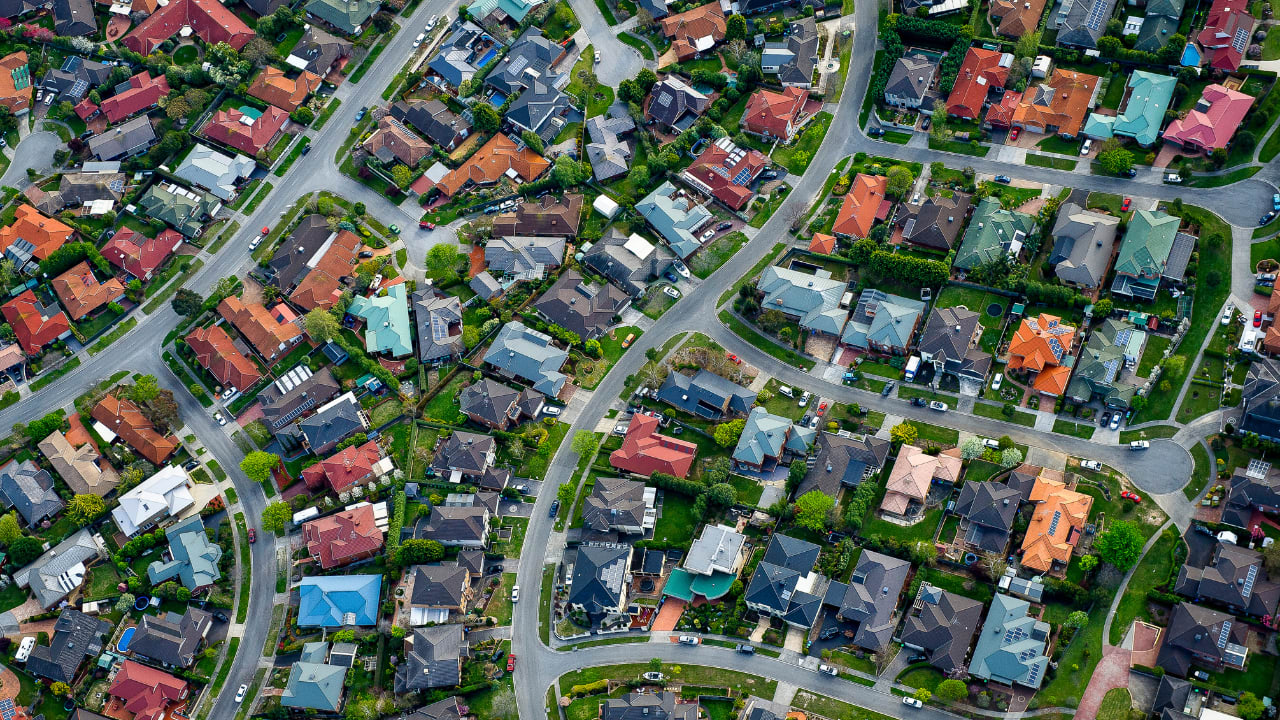

Evolving Urban Planning in DC and Suburbs: What Home Sellers Should Know
How Urban Planning Changes Can Impact Selling a Home in Washington DC
If you're considering selling a home in Washington DC, Maryland, or Northern Virginia, it’s important to understand how urban planning and development trends may influence property values and buyer demand.
Cities and surrounding suburbs across the Washington DC region continue to evolve through new zoning policies, infrastructure improvements, and redevelopment initiatives. These changes can shape how neighborhoods grow, how buyers evaluate properties, and ultimately how homes are priced and sold.
As a Washington DC Realtor, I often help homeowners understand how these long-term planning decisions affect the Washington DC real estate market and what they may mean when preparing to sell a home.
What Is Urban Planning?
Urban planning refers to how cities and communities organize land use, transportation, housing, infrastructure, and development.
Local governments and planning agencies guide decisions related to:
-
Zoning regulations
-
Housing density
-
Transportation networks
-
Commercial development
-
Public spaces and parks
-
Infrastructure investments
These decisions influence how neighborhoods develop and how attractive they become to future homebuyers.
How Urban Planning Is Changing in the Washington DC Region
Across Washington DC, Maryland, and Northern Virginia, several trends are shaping the future of residential communities.
Increased Mixed-Use Development
Many neighborhoods are seeing the rise of mixed-use developments, which combine residential housing with retail, restaurants, and office space.
Buyers are often attracted to communities where they can live, work, and socialize within walking distance.
These developments can increase neighborhood activity and potentially boost property values in surrounding areas.
Transit-Oriented Development
Urban planners increasingly focus on building housing near public transportation corridors.
Homes located near:
-
Metro stations
-
Commuter rail lines
-
Major transit hubs
often appeal to buyers who prioritize accessibility and commuting convenience.
Properties near transit access can benefit from sustained buyer interest in the Washington DC housing market.
Increased Housing Density
To address housing shortages, some jurisdictions in the Washington DC, Maryland, and Northern Virginia area are exploring policies that allow for increased housing density.
This may include:
-
Townhome developments
-
Accessory dwelling units (ADUs)
-
Smaller lot sizes
-
Multifamily housing in certain areas
These changes can influence neighborhood demographics and long-term housing supply.
Revitalization and Redevelopment Projects
Older commercial corridors and underutilized properties are often redeveloped into new residential communities.
Revitalization projects can bring:
-
Updated infrastructure
-
New retail and dining options
-
Improved public spaces
-
Expanded housing options
These improvements may increase buyer interest in nearby homes.
What Urban Planning Means for Home Sellers
For homeowners planning to sell in Washington DC, Maryland, or Northern Virginia, urban planning trends can influence buyer perceptions and demand.
Some buyers actively seek neighborhoods with:
-
Walkability
-
Access to public transit
-
Nearby retail and dining options
-
Community green spaces
Understanding how your neighborhood fits within broader development plans can help position your home effectively in the market.
Why Location Trends Matter When Selling
Real estate has always been driven by location, but evolving planning strategies can shape how buyers view certain neighborhoods.
For example:
-
Areas near planned transit expansions may attract new buyer interest.
-
Communities undergoing revitalization may experience increased demand.
-
Suburbs adding mixed-use development may appeal to buyers seeking urban-style amenities.
Working with a knowledgeable Washington DC real estate agent helps sellers understand how these trends may impact buyer interest in their property.
How Sellers Can Highlight Neighborhood Advantages
When listing a property in the Washington DC real estate market, marketing should go beyond the home itself.
Sellers can benefit from highlighting:
-
Nearby transit access
-
Walkable shopping and dining areas
-
Community parks and recreation
-
Recent neighborhood improvements
These features often influence buyer decisions and can strengthen your home’s overall appeal.
Why Local Expertise Matters
Urban planning decisions can vary widely across jurisdictions in the DMV region, including Washington DC, Montgomery County, Prince George’s County, and Northern Virginia communities.
An experienced DMV region real estate agent understands how these local changes influence buyer demand and pricing strategies.
Local market insight helps ensure sellers present their homes in a way that resonates with today’s buyers.
Bottom Line for DC Area Home Sellers
Urban planning and development trends continue to shape the future of the Washington DC housing market.
New transit projects, mixed-use communities, and redevelopment initiatives are changing how neighborhoods grow and how buyers evaluate properties.
For homeowners planning to sell a home in Washington DC, Maryland, or Northern Virginia, understanding these evolving trends can help you position your property effectively and attract motivated buyers.
Thinking About Selling Your Home in the Washington DC Area?
If you're considering selling your home in Washington DC, Maryland, or Northern Virginia, working with an experienced professional can make a significant difference.
Dan Wheeler, Realtor and DMV Region Real Estate Agent, helps homeowners navigate the market with strategic pricing, professional marketing, and expert negotiation designed to attract serious buyers.
Contact Dan Wheeler Sells Homes today to discuss your goals and create a customized plan for selling your home in the Washington DC real estate market.