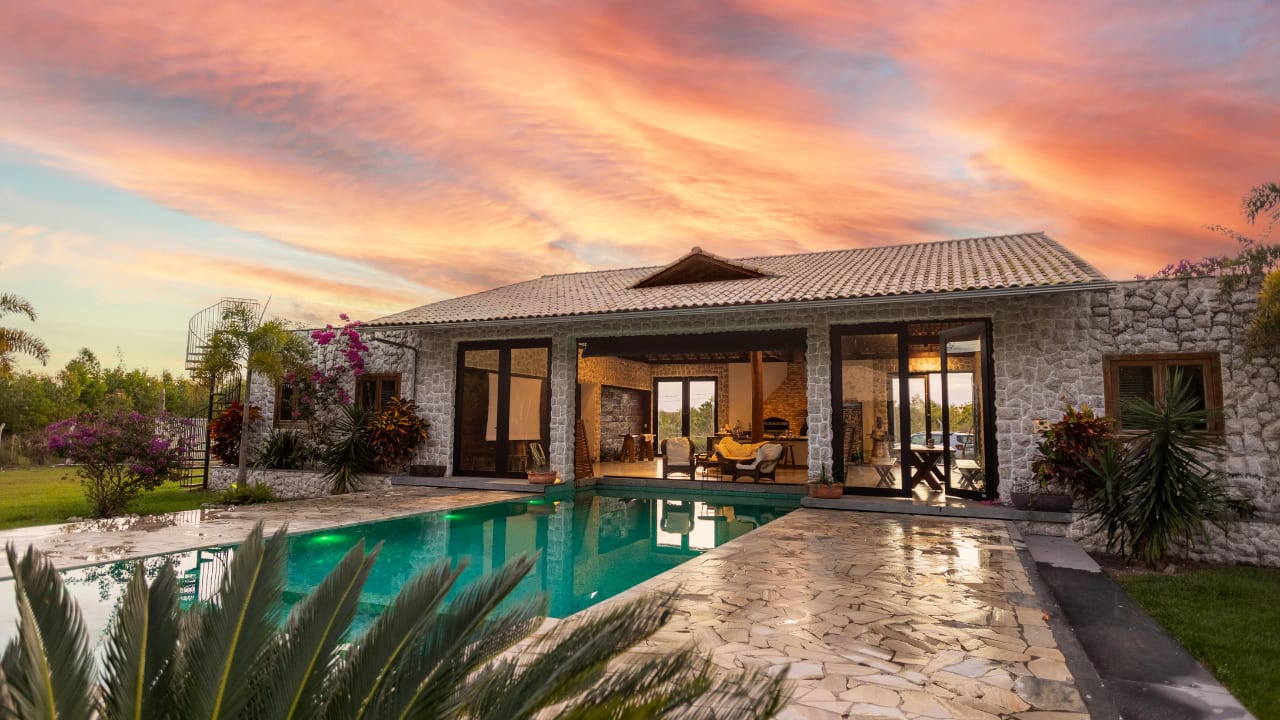


How Tariffs Could Affect Luxury Home Sales in the DC Region
Could Global Trade Tensions Influence High-End Real Estate in Washington DC, Maryland, and Virginia?
Luxury home sales in the Washington DC region have always been influenced by more than just local factors — they’re shaped by national and global economic trends. One of the newest and most talked-about influences is tariffs.
While most homeowners associate tariffs with imported goods and manufacturing, they also have ripple effects that reach high-value real estate markets like DC, Maryland, and Northern Virginia.
So how exactly could tariffs affect luxury home sales in the DC region? Let’s break it down.
What Are Tariffs, and Why Do They Matter for Luxury Real Estate?
A tariff is a tax placed on imported goods, designed to protect domestic industries or balance trade between countries.
But in the world of real estate — especially luxury real estate — tariffs can play a more subtle yet powerful role by influencing:
-
Material costs for construction and renovation.
-
Global investor confidence in high-end properties.
-
Interest rates and borrowing power for affluent buyers.
-
Overall economic sentiment, which affects buyer and seller behavior.
In short, tariffs can change the psychology of both buyers and sellers in the luxury housing market.
The Washington DC Region: A Hub for High-End Real Estate
The Washington DC, Maryland, and Virginia area (DMV) is one of the most robust luxury real estate markets in the country.
From Georgetown and Kalorama to McLean, Bethesda, and Potomac, the region attracts:
-
High-income professionals, executives, and diplomats.
-
International buyers seeking investment or residency properties.
-
Government and tech leaders drawn to proximity and prestige.
Because of this mix, global economic trends — like tariffs — can have outsized effects on buyer demand and property movement in this region.
How Tariffs Could Affect Luxury Home Sales
Let’s explore several key ways tariffs could shape the luxury home market in the Washington DC region.
1. Higher Construction Costs Could Slow New Luxury Builds
Tariffs often target imported construction materials such as steel, marble, glass, and fine wood finishes — staples of luxury home design.
When these materials become more expensive, the cost of building or renovating luxury homes rises, leading to:
-
Fewer new luxury homes being built due to tighter developer margins.
-
Longer project timelines, especially for custom homes.
-
Potential price adjustments for completed luxury properties.
This reduction in new supply could create short-term scarcity, which might help maintain or even increase prices for existing luxury homes.
2. Tariffs May Influence International Buyer Behavior
The DC region attracts a notable share of international luxury buyers, many of whom work for embassies, global firms, or international organizations.
Tariffs can affect global trade confidence, exchange rates, and cross-border wealth flow — all of which influence how and when international buyers invest in U.S. properties.
-
If tariffs create economic uncertainty, some foreign buyers may pause or delay purchases.
-
However, others might see U.S. real estate as a safe haven, especially in stable regions like DC, Maryland, and Virginia.
This means that while the volume of international luxury buyers might fluctuate, demand stability in the DC region often remains due to its global importance.
3. Mortgage and Interest Rate Volatility Can Impact Affordability
Even luxury buyers are sensitive to mortgage rate shifts — particularly those financing multimillion-dollar homes.
Tariff-related economic uncertainty can lead to fluctuating mortgage rates as investors react to global trade news.
-
When tariffs drive economic slowdowns, interest rates may drop, creating opportunities for buyers to act quickly.
-
When tariffs fuel inflation, rates may rise, slightly cooling the high-end market.
For savvy buyers and sellers in the DC luxury real estate market, timing can be everything.
4. Luxury Sellers May Need to Adjust Strategy
Tariffs can make wealthy buyers more value-conscious — not necessarily less able to purchase, but more cautious about where and how they invest.
This means luxury home sellers might need to:
-
Price more strategically, aligning with shifting demand.
-
Highlight long-term value, not just luxury features.
-
Emphasize property uniqueness, such as location, architecture, and privacy.
Working with a Realtor who specializes in luxury sales, like Dan Wheeler, helps sellers position their homes effectively even in uncertain conditions.
Opportunities Hidden Within Tariff Challenges
While tariffs introduce uncertainty, they also create unique opportunities for both luxury buyers and sellers.
For Buyers:
-
Less competition if some buyers delay action.
-
Negotiation leverage with motivated sellers.
-
Potential mortgage advantages if rates temporarily dip.
For Sellers:
-
Low inventory may strengthen your property’s appeal.
-
Global investors may turn to the DC region as a stable, appreciating market.
-
Demand from high-earning professionals continues to drive consistent interest.
In essence, while tariffs can change the landscape, the luxury DC real estate market remains resilient thanks to its stable economic base, global appeal, and limited land availability.
Why the DC Luxury Market Remains Strong
Despite global economic shifts, luxury home sales in Washington DC, Maryland, and Virginia continue to thrive because of:
-
A strong job market anchored by federal, defense, and tech sectors.
-
Consistent international demand for embassy, diplomatic, and executive housing.
-
Cultural prestige — neighborhoods like Georgetown and McLean carry historic, long-term value.
Tariffs may create short-term fluctuations, but the long-term fundamentals remain solid.
How Dan Wheeler Helps Luxury Clients Navigate Market Changes
As an experienced Washington DC region Realtor, I help my clients understand and navigate complex market trends — including how tariffs and economic shifts can influence the high-end housing market.
When you work with Dan Wheeler Sells Homes, you gain:
-
Data-driven insights on pricing and timing.
-
Access to exclusive listings and off-market opportunities.
-
A personalized marketing plan tailored to your luxury property.
-
Professional connections to lenders, designers, and contractors who understand the high-end market.
My mission is to make sure your real estate decisions are informed, confident, and positioned for long-term success.
Final Thoughts
So — how could tariffs affect luxury home sales in the DC region?
While tariffs can influence costs, confidence, and mortgage rates, the luxury DC real estate market remains one of the most stable and desirable in the nation.
If you’re a luxury home seller, this is the time to stay informed and work with a Realtor who understands how global factors shape local outcomes.
And if you’re a buyer, tariff-related slowdowns could present a rare opportunity to secure your next dream home in one of the most prestigious markets in the country.
For insight and guidance in today’s evolving luxury real estate landscape, contact Dan Wheeler, your Washington DC region Realtor, to discuss your goals and explore your next move.