
What Do Real Estate Tariffs Mean for Washington DC Region Homeowners?
Have you been wondering: “What do real estate tariffs mean for homeowners in the Washington DC Region?” It’s a natural question, especially as tariffs continue making headlines and raising concerns about the economy, mortgages, and housing markets. For homeowners in Washington DC, Maryland, and Virginia, understanding how tariffs may influence real estate is essential if you’re thinking about selling your home.
In this blog, we’ll explore what tariffs are, how they might impact the Washington DC real estate market, and what sellers should know when deciding if now is the right time to list their homes.
Understanding Tariffs and Real Estate
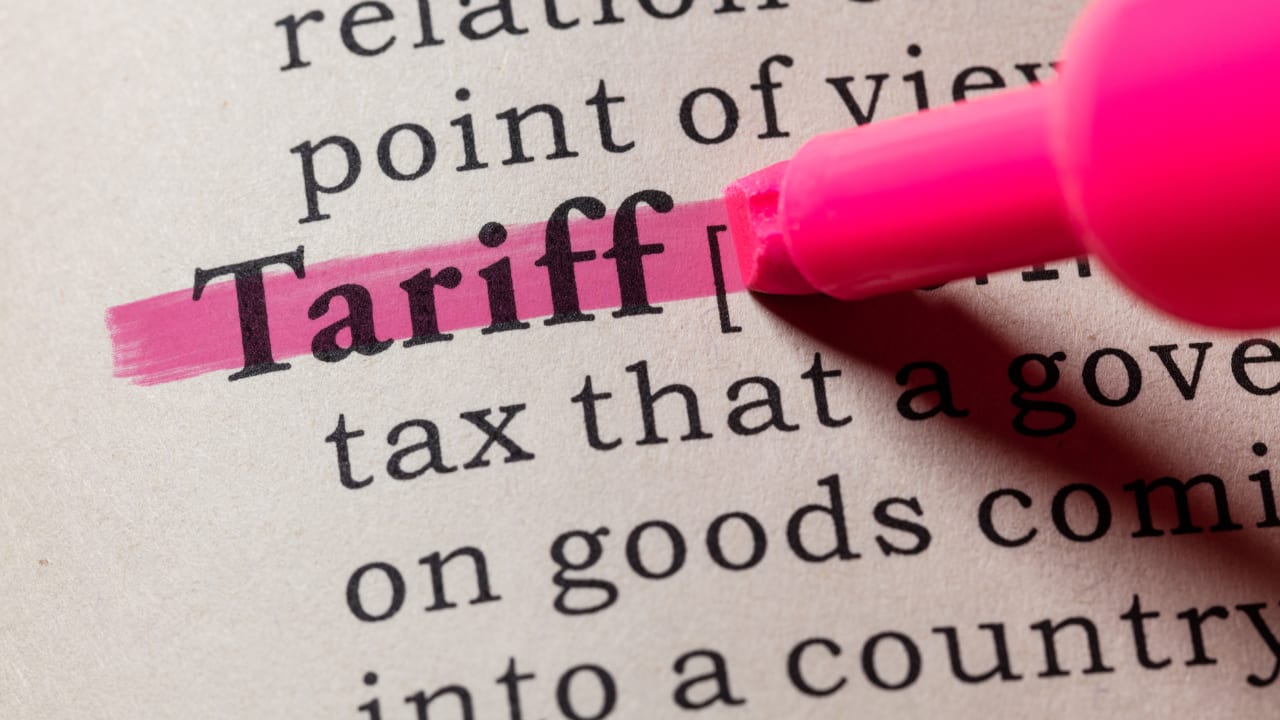
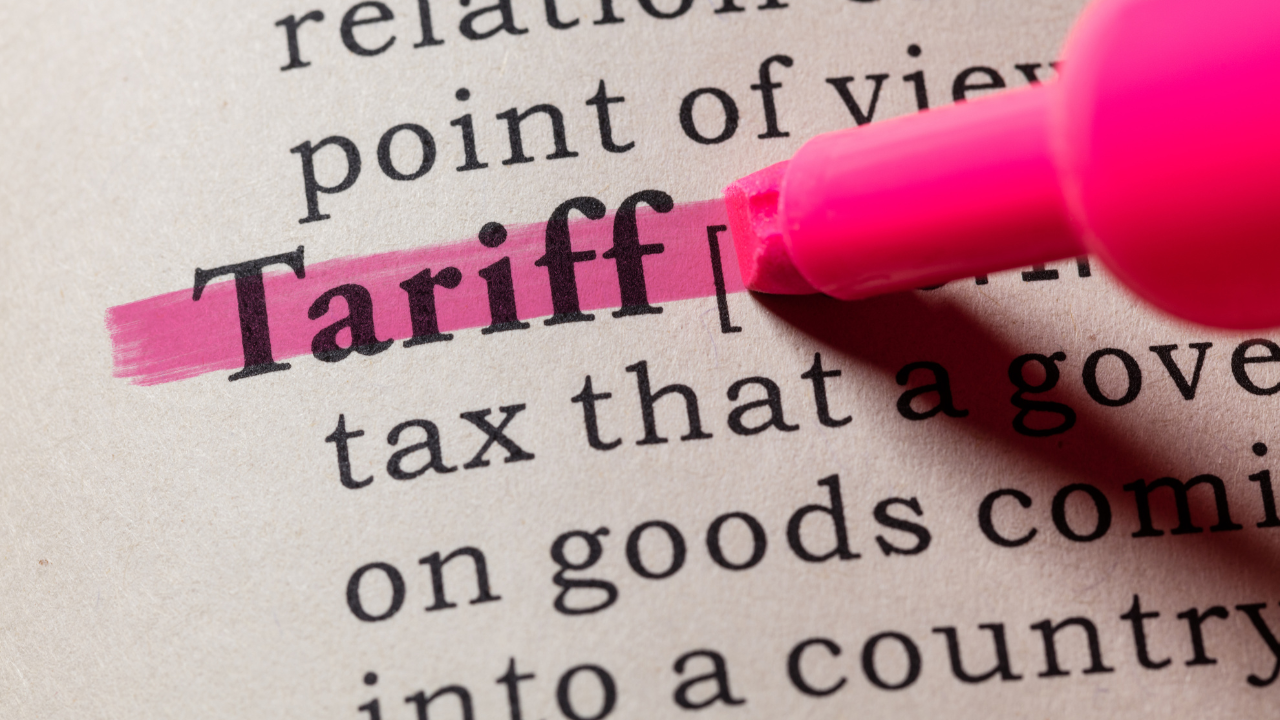
A tariff is a tax placed on imported goods. While tariffs are often discussed in relation to global trade, they can have ripple effects on everyday expenses — including housing. Here’s how:
- Construction Costs: Tariffs on imported steel, lumber, or other building materials can increase construction and renovation expenses.
- Consumer Prices: Higher costs on goods can fuel inflation, which may impact mortgage rates.
- Economic Sentiment: Tariffs sometimes create uncertainty in financial markets, which can influence consumer confidence — a big factor in whether buyers decide to purchase a home.
So while tariffs may not directly tax your home, they indirectly shape the real estate market across Washington DC, Maryland, and Virginia.
How Do Tariffs Affect the Washington DC Real Estate Market?
1. Impact on Mortgage Rates
Mortgage rates are tied closely to inflation and overall economic outlook. If tariffs drive up prices, lenders may increase mortgage rates. For sellers, this means:
- Some buyers may see their purchasing power shrink.
- Higher rates can slow down the pace of home sales.
2. Cost of Renovations and Repairs
If you’re considering updates before selling, tariffs on imported materials may make improvements more expensive. For example:
- Kitchen remodels could cost more due to higher prices on imported countertops or appliances.
- Roof replacements or major repairs may rise in cost if materials face tariffs.
This doesn’t mean you shouldn’t make upgrades — it just means you’ll want to budget carefully and prioritize projects with the highest return on investment.
3. Buyer Behavior
Uncertainty can make buyers cautious. If tariffs dominate the news, some potential buyers in the DMV region may hesitate, hoping to see where the economy is headed before committing to a mortgage.
On the other hand, others may feel motivated to act quickly, fearing that waiting will mean higher prices later.
4. Home Values
Over the long term, the Washington DC housing market has proven resilient. While tariffs can create short-term fluctuations, demand in the DC, Maryland, and Virginia area remains strong because of:
- Steady job growth
- Government and private sector stability
- Limited housing supply in many desirable neighborhoods
Who Benefits From Tariffs and Who Loses?
When it comes to real estate, tariffs create both challenges and opportunities:
- Home Sellers may face a slightly smaller buyer pool if higher mortgage rates reduce affordability.
- Home Buyers may benefit if slower demand means less competition for homes.
- Investors sometimes see tariffs as an opportunity to purchase when others hesitate.
Ultimately, in the Washington DC real estate market, strong local demand often outweighs national uncertainty — but sellers should be mindful of shifting buyer psychology.
Are We in a Housing Bubble in 2025?
Another common question is whether tariffs could contribute to a housing bubble. A “bubble” happens when home prices rise quickly and unsustainably, often followed by a sharp correction.
Here in the Washington DC Region, the market tends to be more stable than other parts of the country because:
- The government provides steady employment.
- International organizations, embassies, and universities create consistent housing demand.
- Inventory remains relatively low compared to the number of buyers.
While tariffs may contribute to price pressures, the DMV region’s fundamentals suggest more balance than bubble risk.
What Sellers in Washington DC, Maryland, and Virginia Should Do
If you’re a homeowner considering selling, here are steps to stay ahead in a market influenced by tariffs:
1. Work With a Local Realtor
A Washington DC Realtor like Dan Wheeler understands local market dynamics and how broader economic forces like tariffs influence buyer behavior.
2. Time Your Sale Wisely
Markets can shift quickly. Consulting with a real estate agent ensures you’re not waiting too long or rushing into a sale without a strategy.
3. Prioritize Cost-Effective Upgrades
Focus on updates that give the best return. Even if tariffs make materials more expensive, smaller improvements like fresh paint, landscaping, and staging can have a big impact without breaking the bank.
4. Stay Informed
Tariffs, mortgage rates, and housing demand are interconnected. The more informed you are, the better you’ll be able to make confident decisions.
Why Work With Dan Wheeler Sells Home?
Selling a home in Washington DC, Maryland, or Virginia isn’t just about listing your property — it’s about navigating a complex market with confidence. Dan Wheeler, an experienced Washington DC Realtor, provides:
- Local expertise across DC, Maryland, and Virginia
- Knowledge of current housing market trends
- A seller-focused approach designed to maximize your home’s value
Whether tariffs create uncertainty or opportunity, Dan Wheeler Sells Home is here to guide you every step of the way.
Final Thoughts
So, what do real estate tariffs mean for Washington DC Region homeowners? While tariffs can impact construction costs, mortgage rates, and buyer confidence, the DMV region remains one of the strongest and most stable housing markets in the country. If you’re thinking about selling your home, now is the time to consult with a trusted local expert.
Contact Dan Wheeler Sells Home today to discuss your selling strategy and learn how to get top value for your property in Washington DC, Maryland, or Virginia.