
How Mortgage Interest Rates Work: A Simplified Guide for DC Homeowners
If you’re a homeowner in Washington DC, Maryland, or Virginia — or thinking about selling your home — you’ve likely heard a lot about mortgage interest rates. But do you know exactly how they work and why they matter for your sale?
As a trusted Washington DC Realtor, Dan Wheeler of Dan Wheeler Sells Homes explains the basics of mortgage interest rates in simple terms, so you can understand their impact on buyers and how that affects your ability to sell in the DMV Region real estate market.
What Is a Mortgage Interest Rate?
A mortgage interest rate is the cost a lender charges a borrower for the use of its money. It’s expressed as a percentage of the loan amount and directly impacts the buyer’s monthly payment.
For example: - Lower rate = lower monthly payment = buyers can afford more. - Higher rate = higher monthly payment = buyers may afford less.
How Mortgage Interest Rates Are Set
Mortgage rates are influenced by a combination of national economic factors and individual borrower profiles.
1. Economic Factors
· Federal Reserve policy
· Inflation levels
· Bond market performance
· Overall economic growth
2. Borrower Factors
· Credit score
· Down payment amount
· Loan type (FHA, VA, conventional, jumbo)
· Loan term (15-year vs. 30-year)
· Debt-to-income ratio
Why Mortgage Interest Rates Matter for Sellers
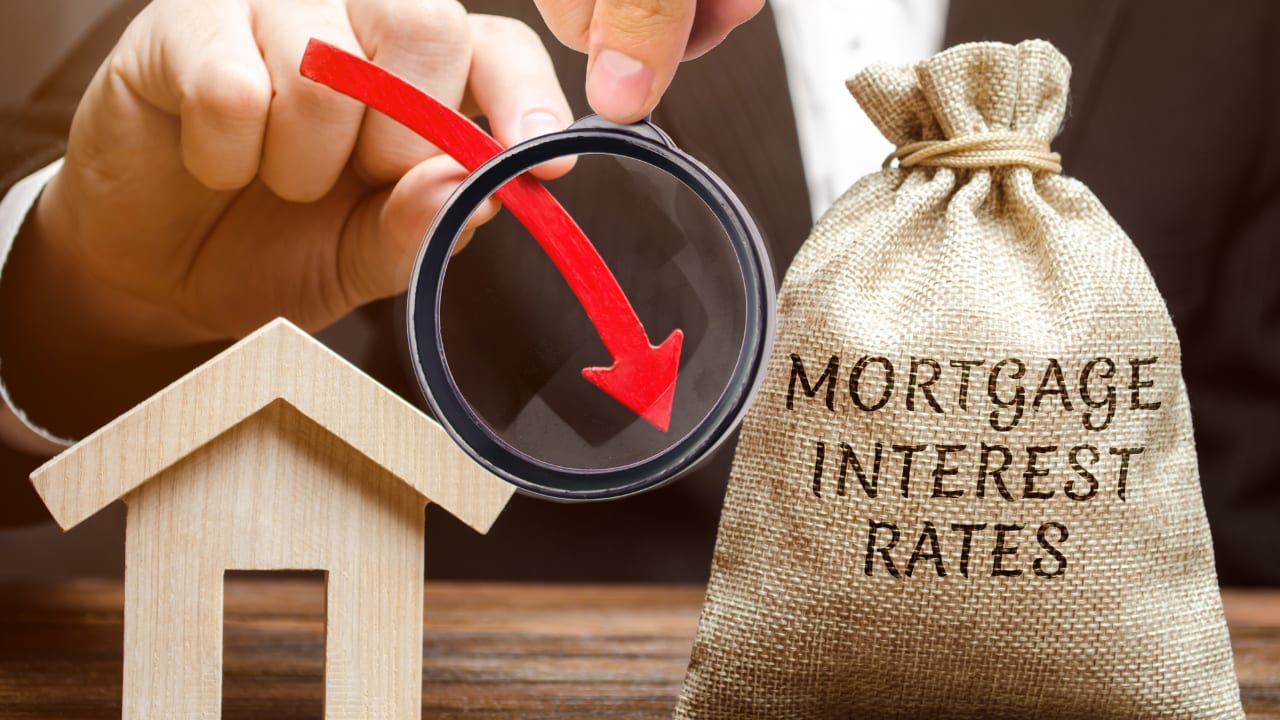
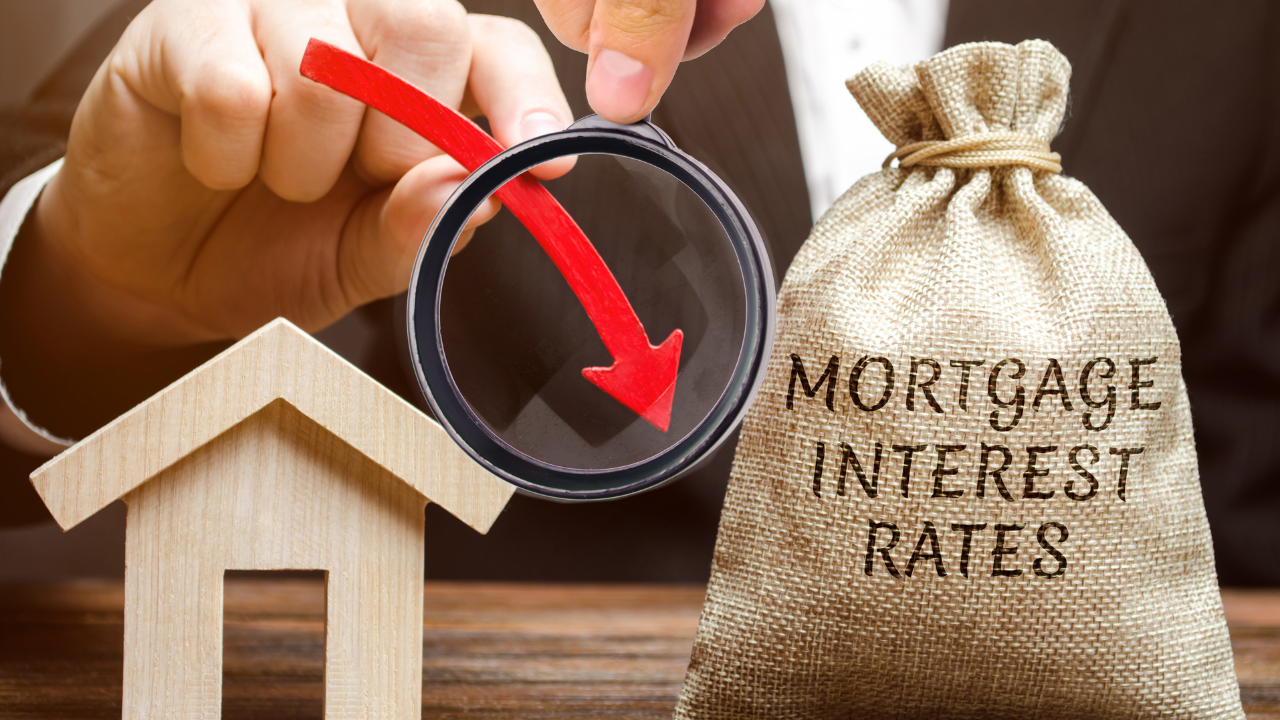
When rates go up, buyer affordability goes down — meaning fewer buyers can qualify for your home’s price point. When rates go down, more buyers enter the market, which can lead to faster sales and potentially higher offers.
The DC Market: Unique Influences
The Washington DC Region has some unique market factors that can affect how interest rates influence home sales: - High demand due to government and related industries. - Diverse loan types, including VA loans, which are common in the area. - Cross-state buyer pool from DC, Maryland, and Virginia.
How Buyers React to Rate Changes
When Rates Rise:
· Buyers may lower their budget.
· Some buyers may pause their search.
· Sellers may need to offer incentives, such as rate buydowns or closing cost assistance.
When Rates Fall:
· More buyers can enter the market.
· Homes may sell faster.
· Sellers may be able to hold firm on pricing.
Tips for DC Home Sellers in Any Rate Environment
Dan Wheeler recommends: 1. Know your market – Get a local market analysis to see how rates are affecting buyer activity in your area. 2. Price strategically – Align your list price with what buyers can afford today. 3. Consider incentives – Offer rate buydowns or help with closing costs if rates are high. 4. Highlight lifestyle benefits – Focus on location, amenities, and move-in readiness.
Final Thoughts
Understanding how mortgage interest rates work helps you make smarter selling decisions. Whether rates are high or low, success comes from pricing right, presenting your home well, and working with a knowledgeable DMV Region real estate agent.
Work With a Local Expert
If you’re considering selling your home in Washington DC, Maryland, or Virginia, contact Dan Wheeler Sells Homes for a no-obligation consultation. Learn how current interest rate trends could impact your sale and how to create a winning selling strategy.